ITS Türkiye is awarded with "Excellence in Transportation Award" by ITS Nationals
The Network of National ITS Associations (ITS Nationals) organized an award ceremony at the [...]
Read More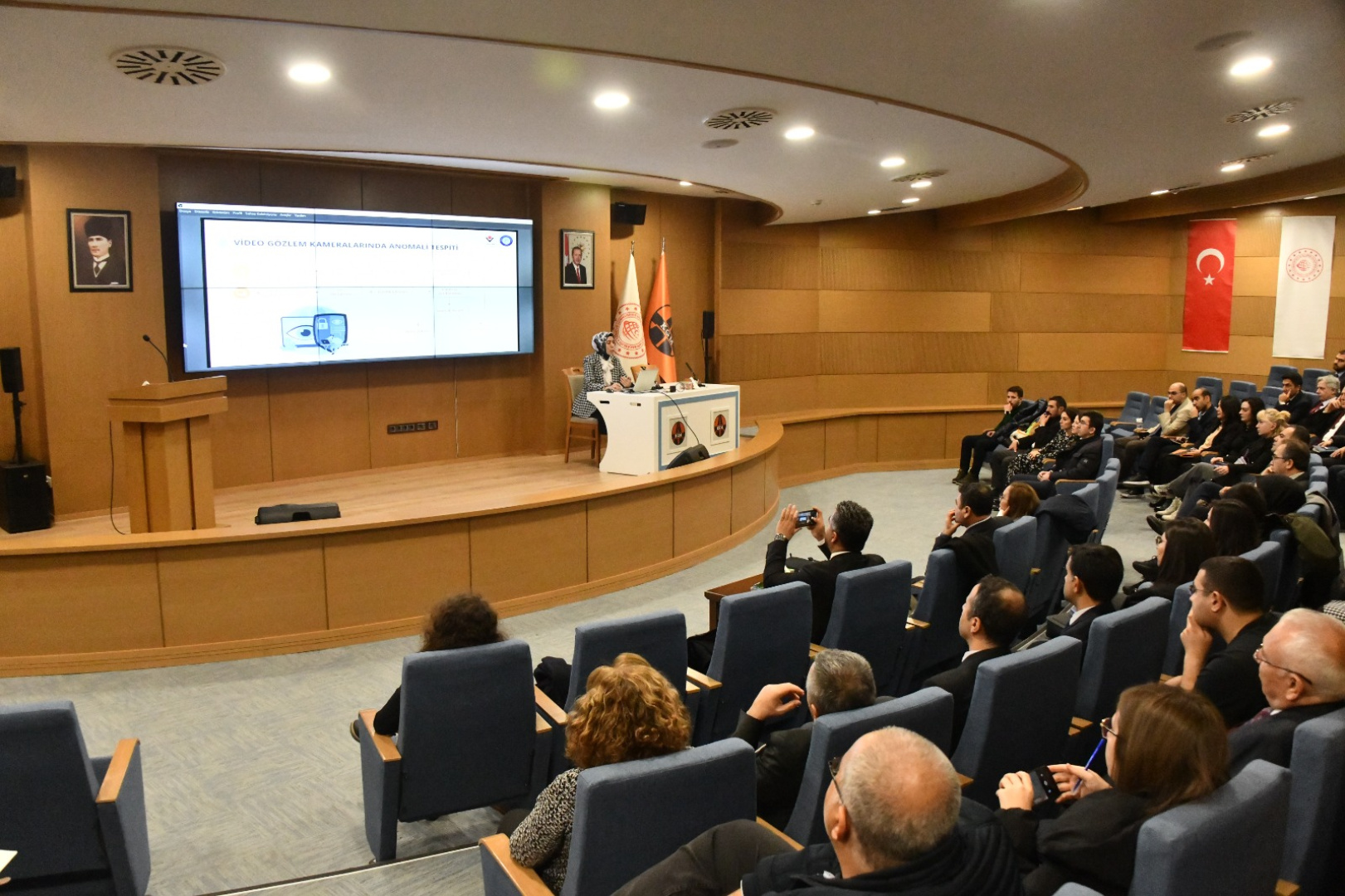
Increasing rates of transportation-related problems such as traffic density, increased travel times, greenhouse gas emissions, driver errors and traffic accidents, which have emerged in parallel with the increase in the number of population and vehicles in our country, have negative impacts on the national economy and the environment, and bring social, economic and environmental problems. The need for solutions that address these problems and use smart and digital methods is increasing day by day.
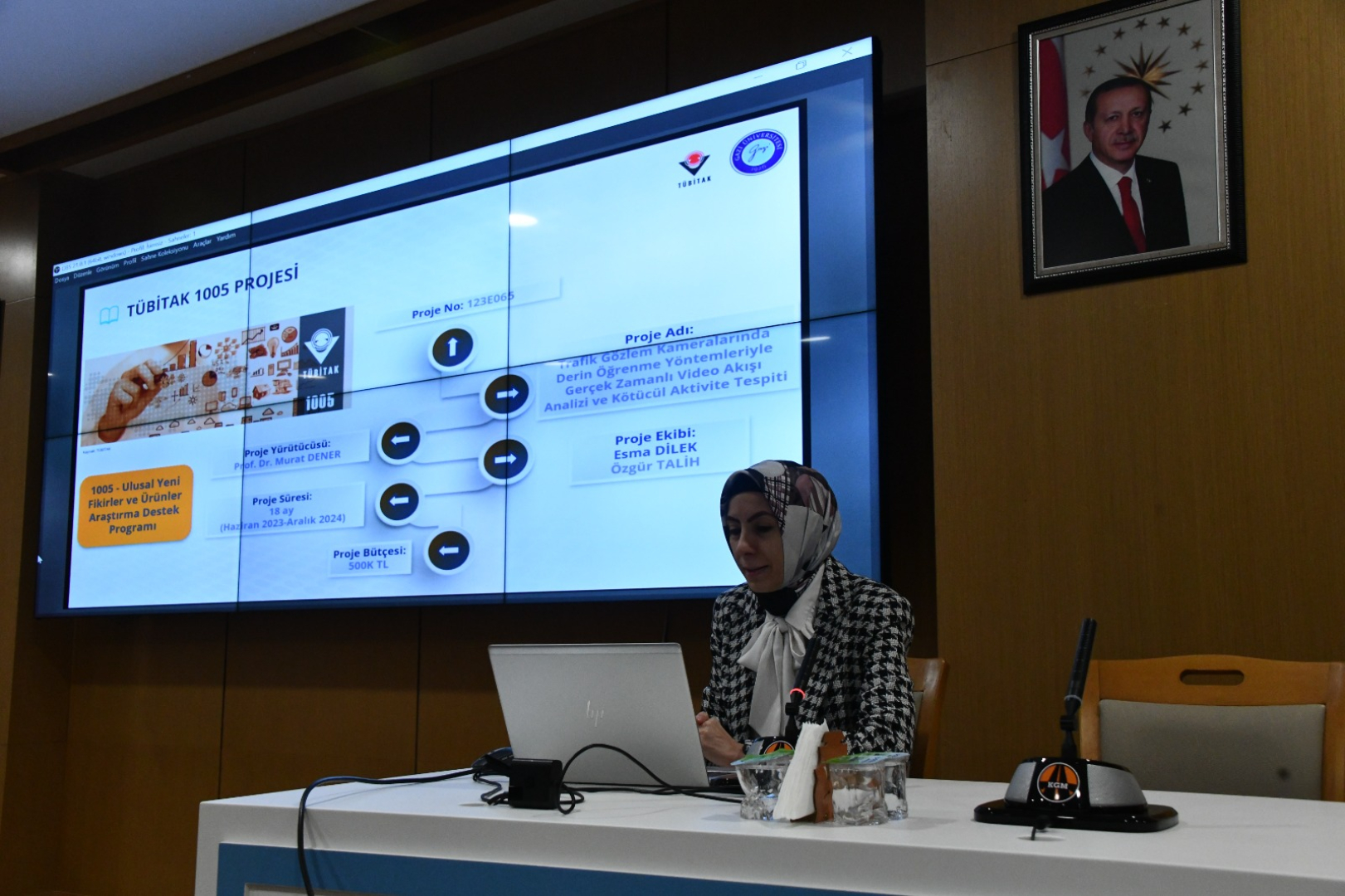
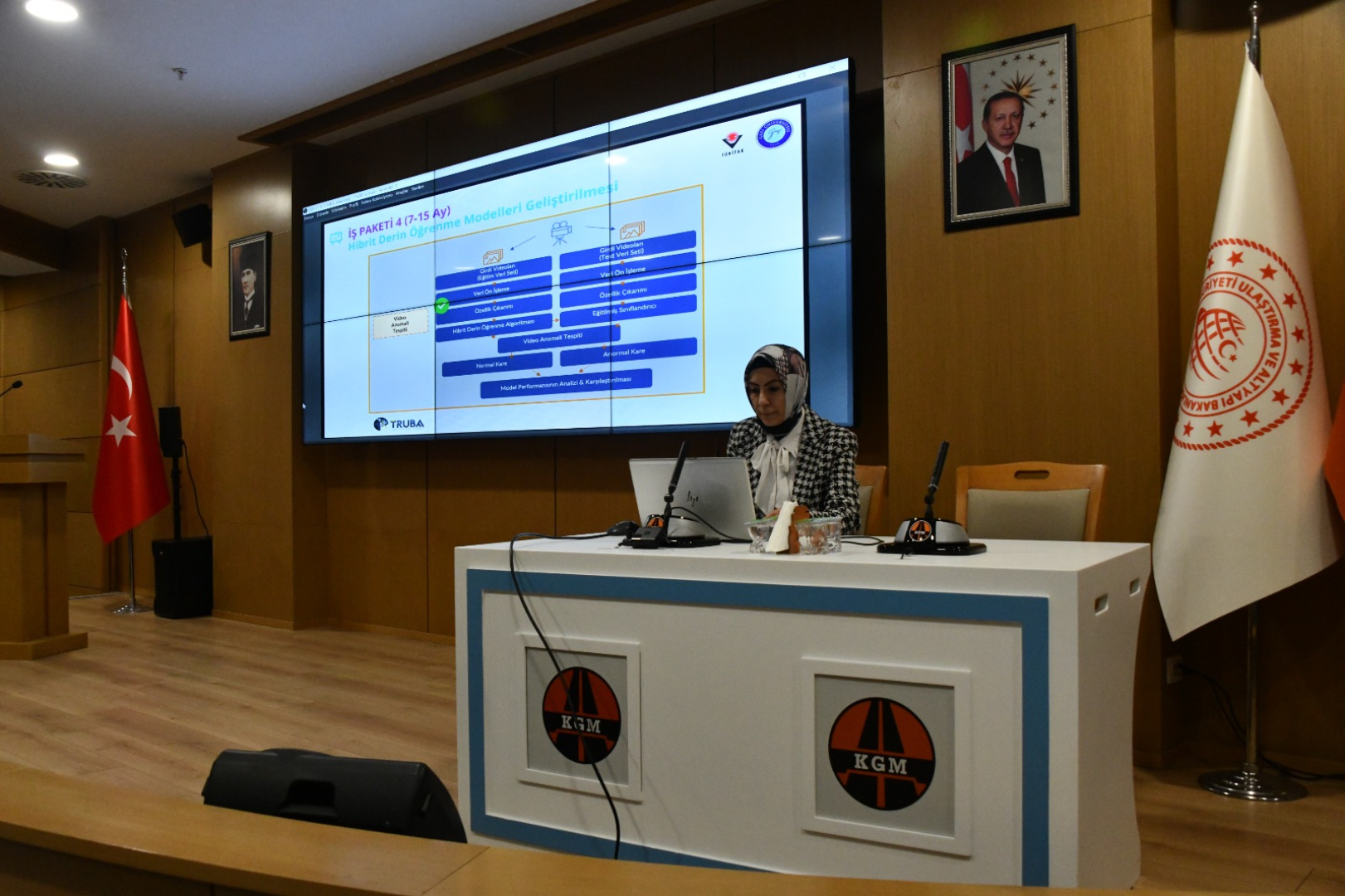
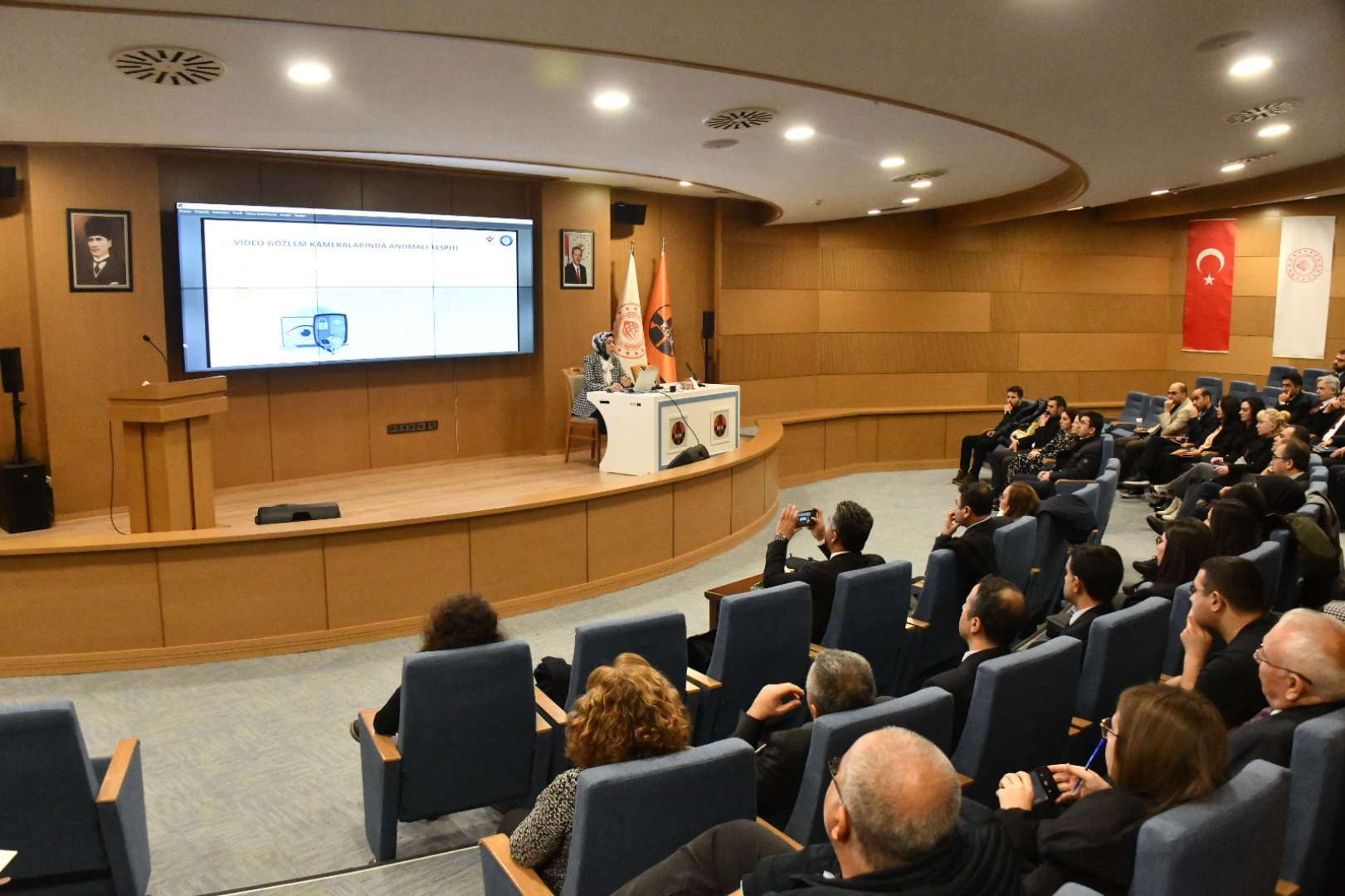
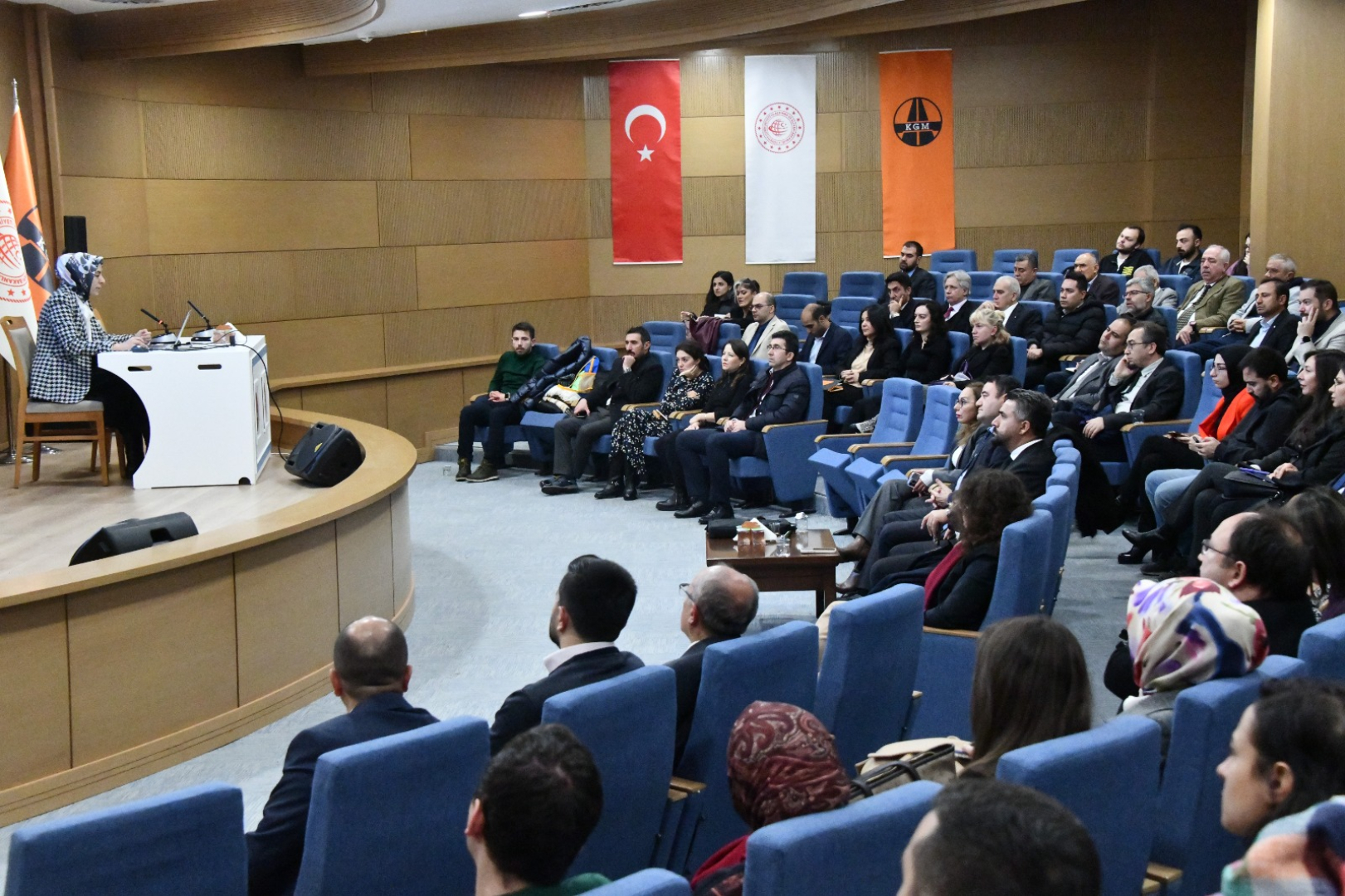
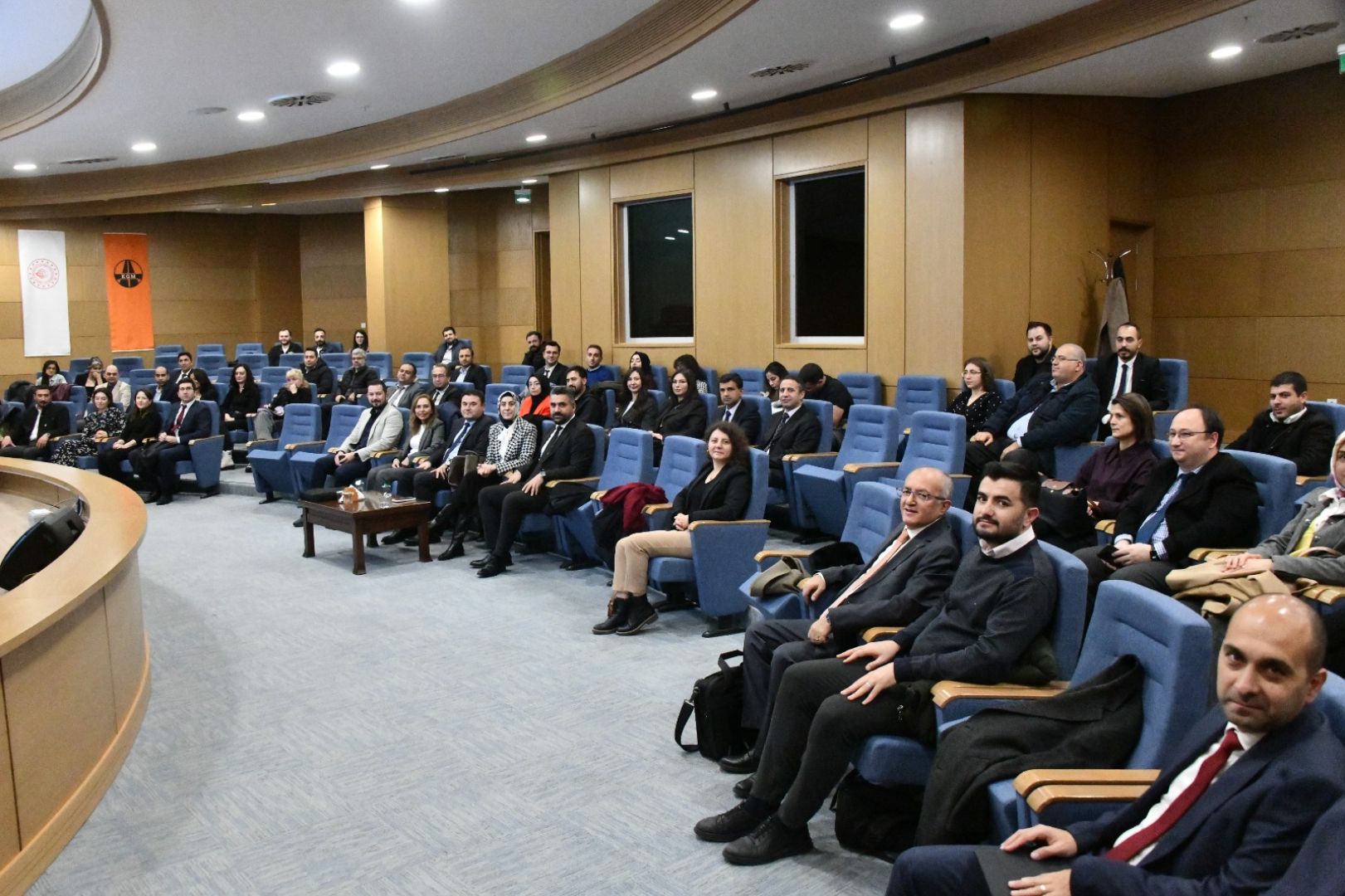
Traffic monitoring systems, one of the important components of smart transportation and smart city concepts, are used in the development of methods that can produce effective solutions to many problems related to transportation and urban life with the data obtained from cameras. Analyzing the information obtained from traffic observation cameras, which are indispensable elements of urban and intercity transportation infrastructure, with artificial intelligence and deep learning techniques ensures the effective functioning of decision-making mechanisms and contributes to the realization of short, medium and long term goals regarding the establishment of intelligent transportation systems (ITS) and smart city life. In this direction, the promotion and closing meeting of the project “Real-Time Video Stream Analysis and Malicious Activity Detection with Deep Learning Methods in Traffic Monitoring Cameras”, which was supported within the scope of “TÜBİTAK 1005-National New Ideas and Products Research Support Program” and started on 05 June 2023, was held by Esma DİLEK on 27 November 2024 at the General Directorate of Highways with the wide participation of potential beneficiaries of the project outputs.
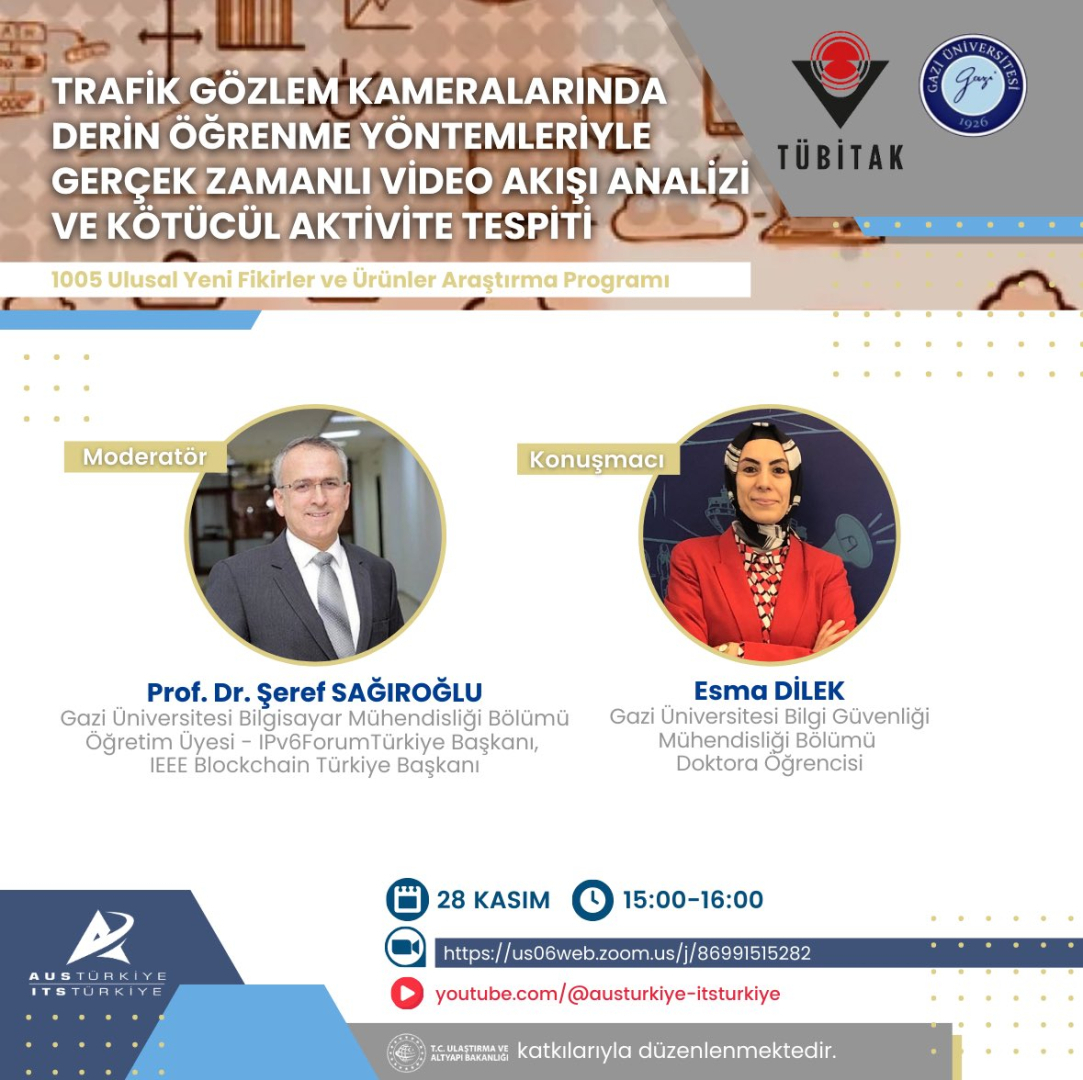
At the same time, within the scope of project promotion and dissemination activities, DİLEK made a detailed presentation of the project and shared the details of the project with the public in the ITS Türkiye webinar held on 28 November 2024, moderated by Prof. Dr. Şeref SAĞIROĞLU.
Esma DİLEK, who participated as a scholarship holder during the project, stated in her project presentation that it is aimed to achieve a higher anomaly detection success rate compared to similar studies in the literature studies in the scope of real-time video stream analysis and malicious activity detection with hybrid deep learning methods from traffic observation cameras. He also added that it is aimed to develop an artificial intelligence model that can be used in smart transportation and smart city projects, activities and studies in our country, in an area including transportation and informatics disciplines, supporting the European Green Deal strategies.
Dilek also emphasized the importance of all kinds of work carried out for the widespread use of ITS applications in our country and that the following gains can be achieved as a result of the successful completion of this project supported by TÜBİTAK:
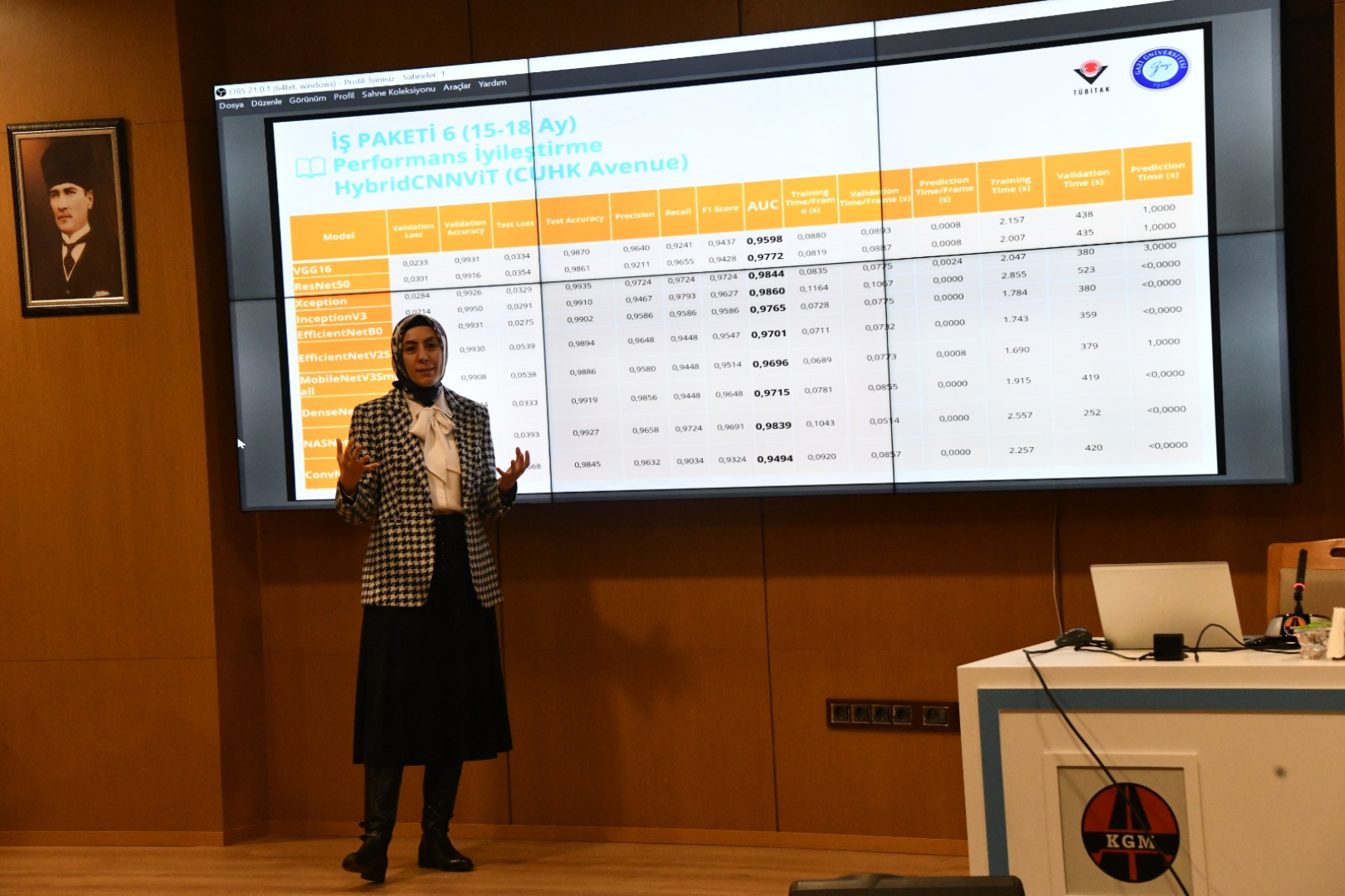
In his presentation, DİLEK said that with the project supported by TÜBİTAK, artificial intelligence models that can be integrated with cost-effective, national video anomaly detection systems were developed using traffic observation cameras, which are existing data sources. He stated that the detection success of the developed artificial intelligence models was measured using both sample data sets provided within the scope of the project and publicly accessible data sets used for comparison in literature studies. He mentioned that an academic article on the hybrid deep learning method developed within the scope of the project was published in the IEEE Access journal with Science Citation Index (SCI), and the information obtained from the literature studies was compiled and presented as a conference paper at SUMMITS'24 4th International Intelligent Transportation Systems Summit. He also shared the information that two articles on the project topic and prepared within the scope of the project are under evaluation in SCI indexed journals.
He said that the studies carried out within the scope of the project contributed to the doctoral thesis studies of Esma DİLEK, one of the fellows in the project, and that her doctoral thesis proposal, which included the studies within the scope of the project, was accepted and successfully passed the first thesis monitoring committee; Özgür TALİH, the other fellow, said that his master's thesis, which he prepared by making use of the experiences gained from the project studies, was approved in July 2024 and published in the National Thesis Center.
He stated that the outputs obtained during the project were presented at academic conferences and congresses with the meetings held with the relevant stakeholders and the organizations supporting the project, and that the dissemination activities targeted in the project were successfully carried out by sharing them through print media and corporate social media accounts.
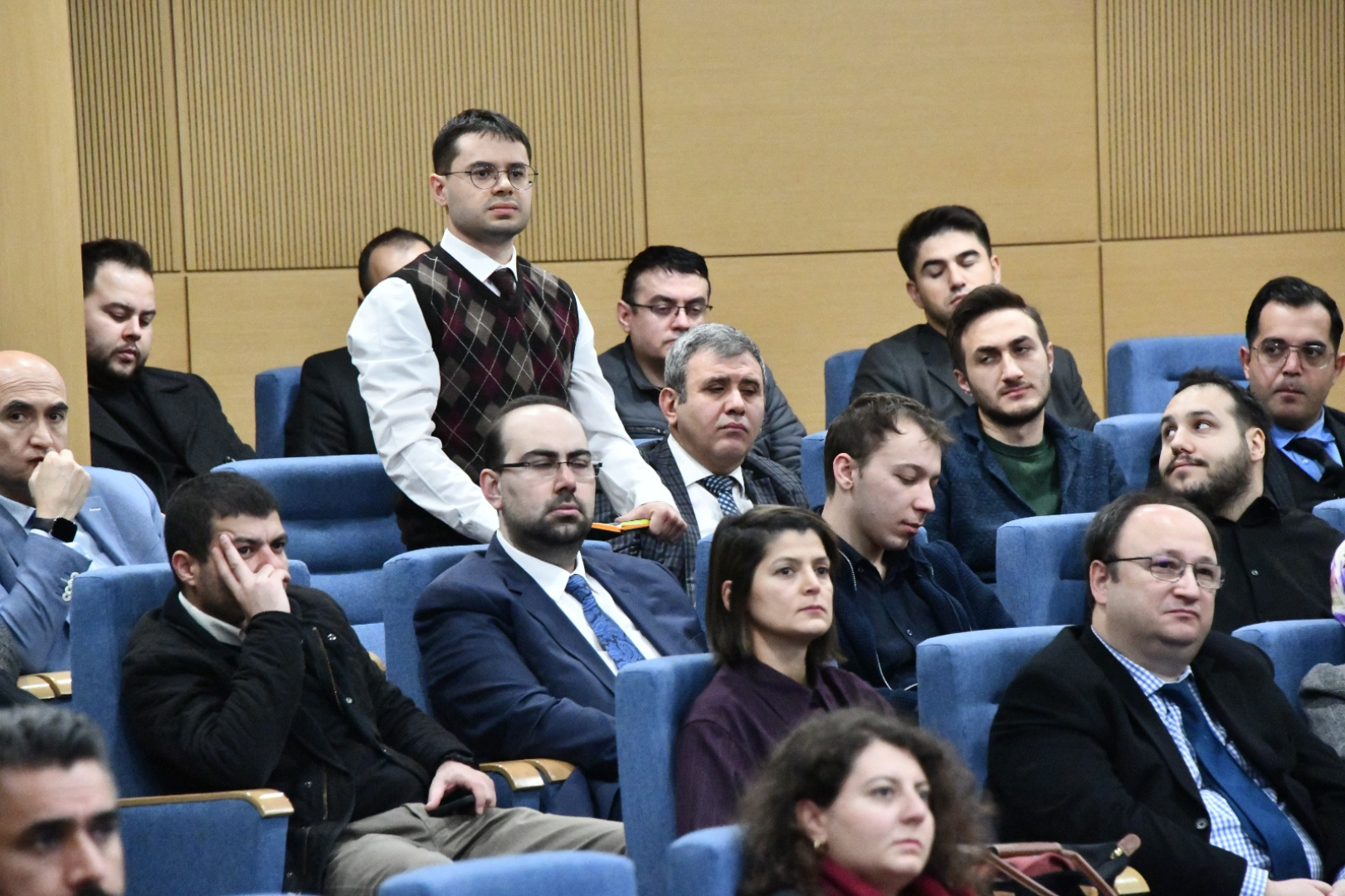
In his introductory presentations, DİLEK summarized the details of the deep learning-based video anomaly detection methods developed within the scope of the project, the performance measurement results obtained as a result of the experiments, all the studies and activities carried out within the scope of the project and answered the questions of the participants.